

Rhythmic gymnastics is a mesmerizing blend of artistry and athleticism, captivating audiences worldwide with its grace and complexity. This unique sport combines elements of ballet, dance, and gymnastics, performed with various apparatus such as ribbons, hoops, and balls. As it continues to evolve, rhythmic gymnastics showcases incredible talent and dedication from athletes. In this text, we investigate into its rich history, recent competitions, training methods, and the promising future this sport holds.
Overview of Rhythmic Gymnastics
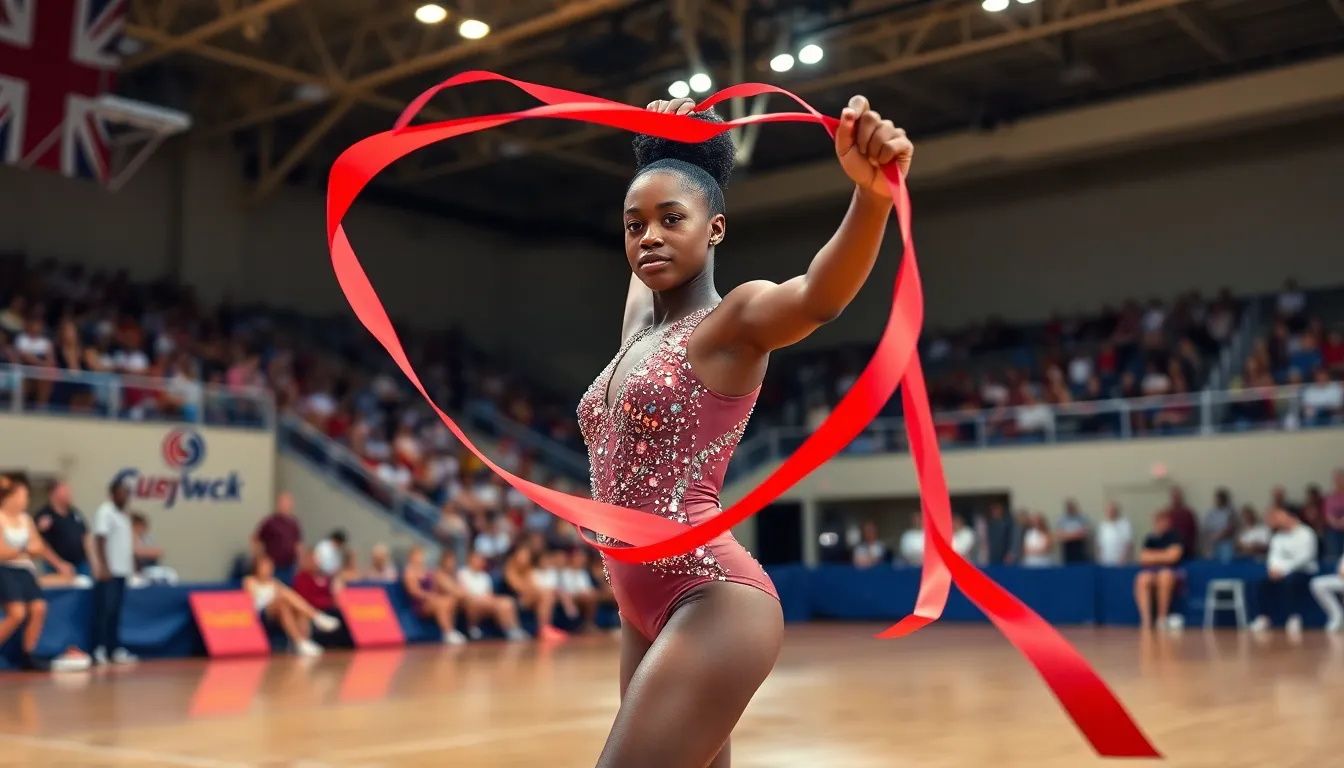
History and Evolution of the Sport
Rhythmic gymnastics has deep roots that trace back to the early 20th century. Initially influenced by early forms of gymnastics and dance, it emerged as an official competition sport at the 1984 Los Angeles Olympics. Over the decades, it has seen a dramatic evolution in style, technique, and presentation. Traditional routines have transformed into visually stunning performances that emphasize creativity, choreography, and precision.
Types of Routines and Apparatus
Athletes perform routines using five primary apparatus: ribbon, hoop, ball, clubs, and rope. Each apparatus presents unique challenges and requires different techniques. Routines are categorized into individual and group performances, allowing gymnasts to showcase their skills and interpretive dance. The scoring system has also evolved: it now evaluates not just technical execution but also artistic merit, making rhythmic gymnastics a holistic spectacle.
Notable Competitions and Events
Recent Championships and Highlights
The rhythmic gymnastics calendar is packed with significant events, with the World Championships and Continental Championships being the most notable. In 2023, the World Championships held in Valencia showcased extraordinary talent, with many athletes achieving personal bests and new records. The competition highlighted both seasoned gymnasts and fresh talents stepping into the limelight, which has invigorated the sport.
Athlete Spotlights: Rising Stars and Legends
Among the legends of rhythmic gymnastics, names like Yana Kudryavtseva and Evgenia Kanaeva stand out. But, the new generation is making waves too, with athletes like the Spanish gymnast, Polina Berezina, gaining attention for her innovative routines and impeccable technique. Rising stars continue to push boundaries, setting the stage for the next era in rhythmic gymnastics.
Training Regimens and Techniques
Injury Prevention and Recovery
Injury prevention is paramount in rhythmic gymnastics due to the sport’s physically demanding nature. Coaches and athletes emphasize flexibility, strength training, and conditioning exercises. Incorporating wellness practices such as yoga and Pilates has become common to enhance recovery and prevent injuries, allowing gymnasts to maintain their peak performance year-round.
Psychological Aspects of Competing
The mental game is just as crucial. Athletes face immense pressure during competitions, and psychological preparedness has become an integral part of their training. Techniques such as visualization, mindfulness, and regular sessions with sports psychologists help them manage stress and maintain focus, which is essential for executing complex routines.
The Future of Rhythmic Gymnastics
Emerging Trends and Innovations
As rhythmic gymnastics continues to evolve, new trends are emerging that reflect changes in culture and audiences’ expectations. Increasingly, performances integrate technology and multimedia elements, enhancing the overall visual experience. Innovations in apparatus design and performance attire also play a role in elevating routines, making them more engaging and appealing.
Impact of Technology on the Sport
Technology is revolutionizing various aspects of rhythmic gymnastics. From advanced scoring systems utilizing artificial intelligence to virtual training tools, technology supports athletes in refining their skills. Wearable devices for tracking physical performance can also provide crucial data for training, ensuring that athletes can continually improve their technique.
Conclusion
Rhythmic gymnastics stands at an exciting crossroads, with a rich history and a vibrant future. As athletes break new ground and redefine the boundaries of what’s possible, they are not just presenting routines: they are telling stories that resonate with audiences around the globe. The sport’s blend of artistry and athleticism will continue to thrive, shaping the next generation of gymnastics champions.


